

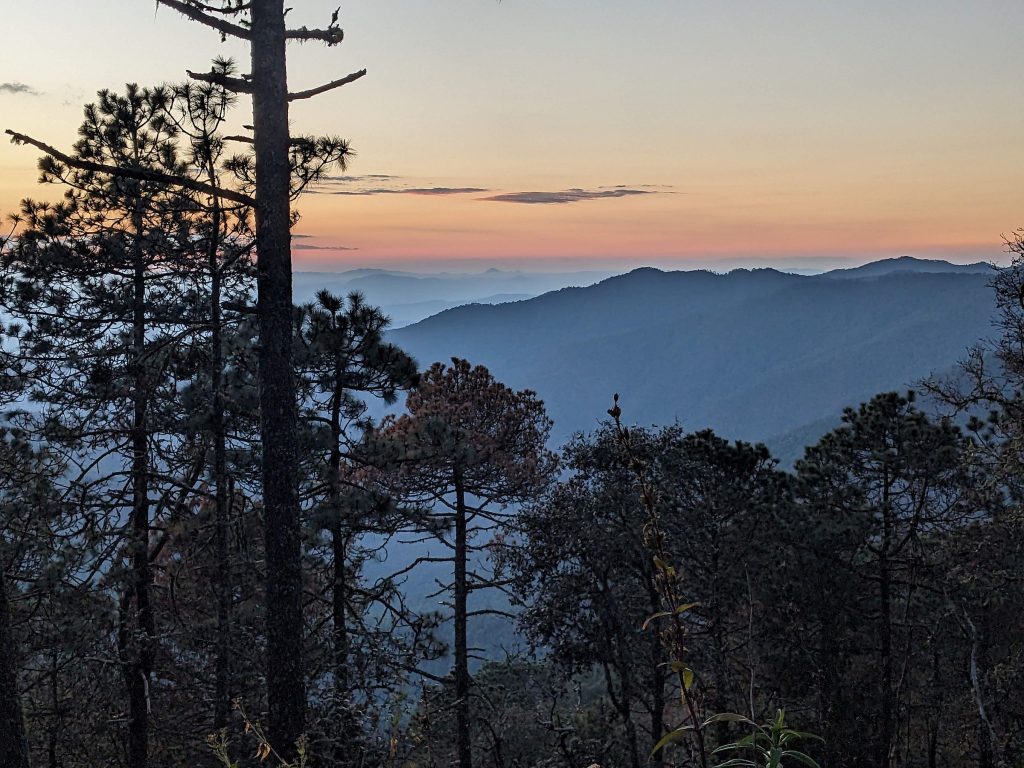
Dusk at the end of March in the pines of Oaxaca’s Sierra Norte. An American robin (Turdus migratorius) sings to the twilight and I ache with homesickness. The mountains roll northwest in vast blue silhouettes. Montana is incomprehensibly far away. The song of the robin carries me the thousands of miles in an instant and I’m home, Missoula at the cusp of spring, the cottonwood buds swelling along the river, the pileated woodpeckers (Dryocopus pileatus) calling. I could hop on a jet, worsen the climate crisis, and be home tomorrow. But my decision is made. This year I won’t be going back.
The robin keeps singing. The Mexican whip-poor-wills (Antrostomus arizonae) join in with their burry cries. This robin is here, though its familiar voice makes me long to be there, and here it will most likely stay, at the southern tip of a vast breeding range that spans most of North America. And this year, so will I.
The arenilla
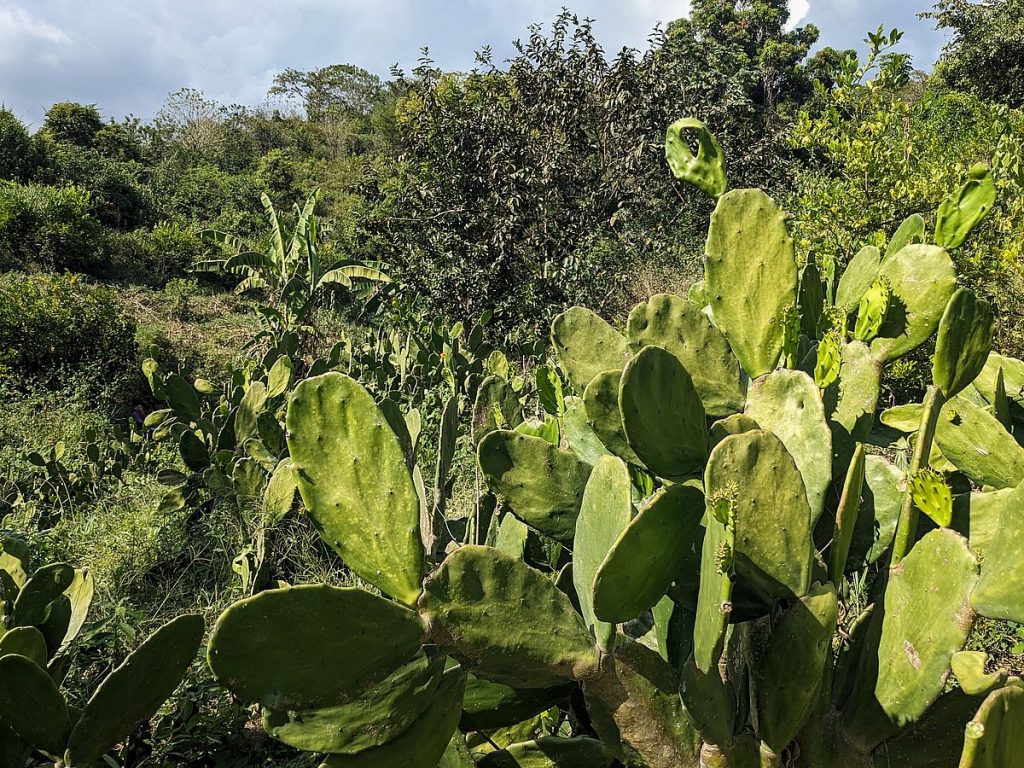
I never planned to divide my life between two countries, but love intervened. And this year, as much as I miss Montana, my friends, my family, my summer field biology work and the land I know well there, there are many reasons to stay. My once-freeish United States is under attack by its president, and Carito would be at risk there. Climate change continues to intensify. All of the air travel back and forth hurts. And here, Carito and I have taken on a big project.
Near the terreno of her abuelo Teo is a patch of earth that hasn’t been cultivated in a few decades. Since I’ve lived here, I’ve gotten more and more excited about local food, all of the knowledge that exists here, all of the possibilities for growing food ecologically. The abuelo Teo in particular inspires me with the type of biodiverse agriculture he practices. And so, at some point this winter as I was talking about wanting to grow sweet potatoes (Ipomoea batatas) and yuca (Manihot esculenta), he told me: there’s that corner down by the river, the sandy arenilla. Clear it, plant it. Go for it.
Passionfruit and sweet potatoes
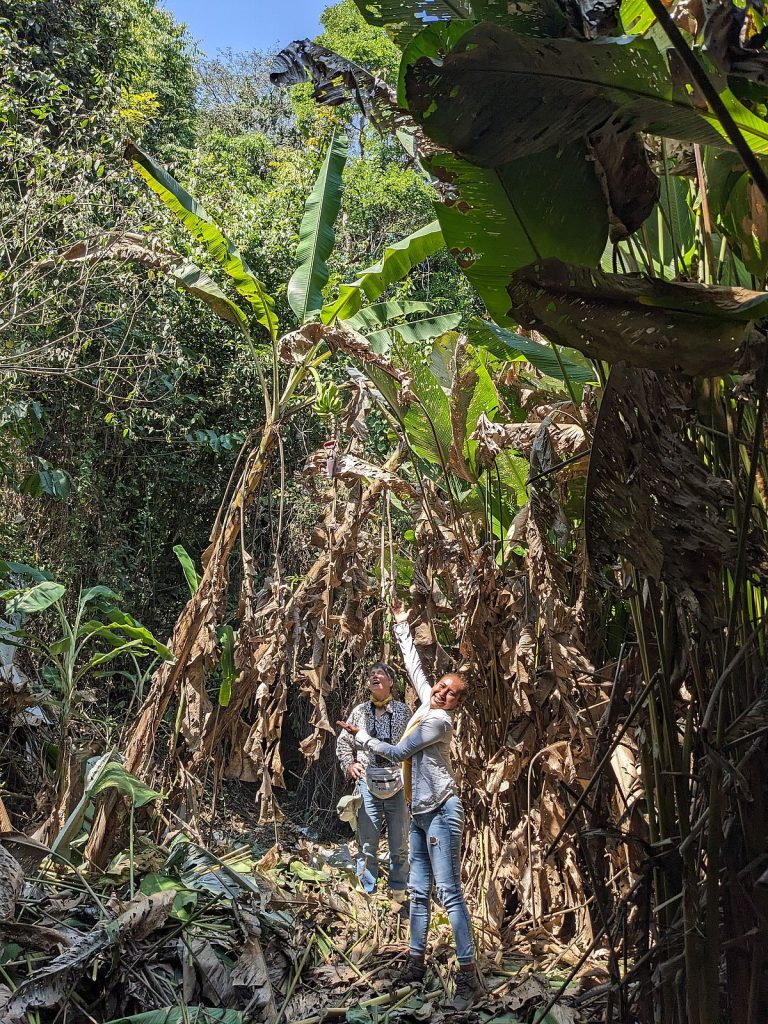
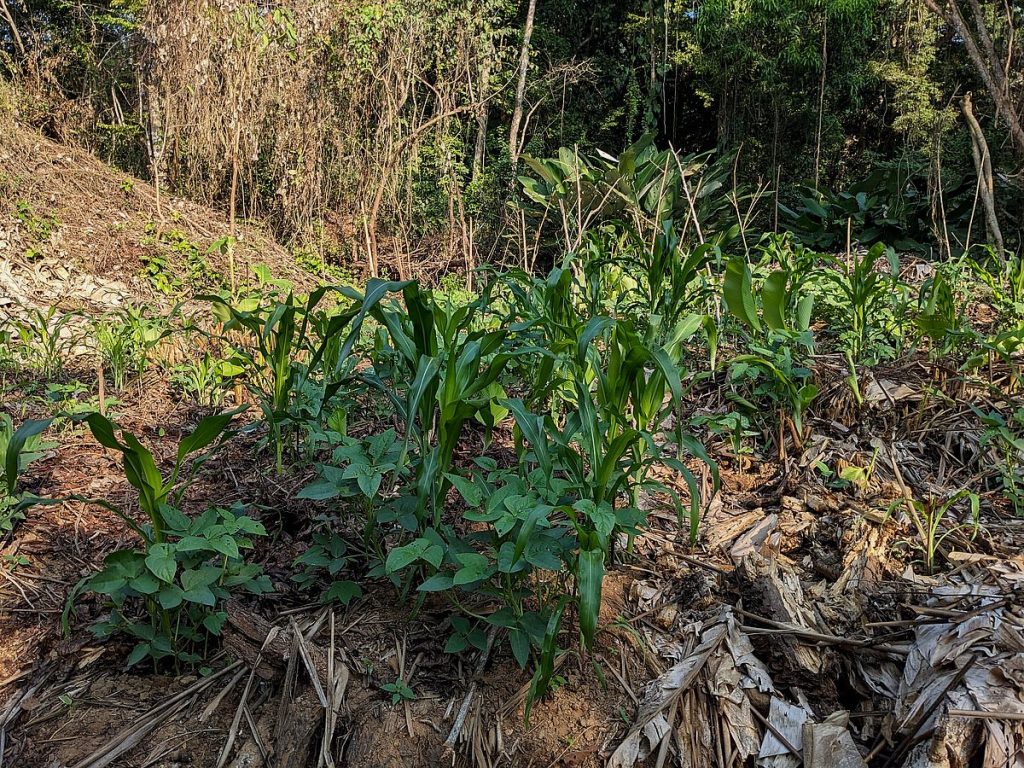
And so, in these months, I’ve been going to the arenilla with a machete and a handsaw. Some days Carito has joined me, other days she’s brought me lunch. When my mom visited, she helped too. I’ve been getting to know this tangle of vines, herbs, and young trees. Opening up sunlight, a small patch of disturbance in the tropical forest. Reading, planting, and imagining. The traditional techniques of the milpa, agroforestry systems of the Pacific island nations, which plants need the moisture along the arroyo and which can survive in the drier earth above. Getting ready for May and June, the start of the rainy season: planting time.
Many plants to learn: bananas (Musa spp.), sugarcane (Saccharum officinarum), taro (Colocasia esculenta), coconut (Cocos nucifera). The fast-growing plants of the milpa: corn (Zea mays), beans (Phaseolus vulgaris), squash (Cucurbita spp.), gourds (Lagenaria siceraria), papayas (Carica papaya), chiles (Capsicum spp.), tomatoes (Solanum lycopersicum). Passionfruit vines (Passiflora edulis), sweet potatoes (Ipomoeas batata), peanuts (Arachis hypogaea), yams (Dioscorea spp.), yuca (Manihot esculenta) and bamboo, hibiscus (Hibiscus sabdariffa) and lemongrass (Cymbopogon citratus). Cacao (Theobroma cacao), ginger (Zingiber officinale), turmeric (Curcuma longa). Breadfruit (Artocarpus altilis), limes (Citrus spp.), starfruit (Averrhoa carambola), black persimmon (Diospyros nigra). Chayote (Sechium edule) and luffa gourd (Luffa aegyptiaca), sesame (Sesamum indicum) and okra (Abelmoschus esculentus). And still, Montana tugs at me. Some days I feel very torn in two.
Tinamous near the orange grove
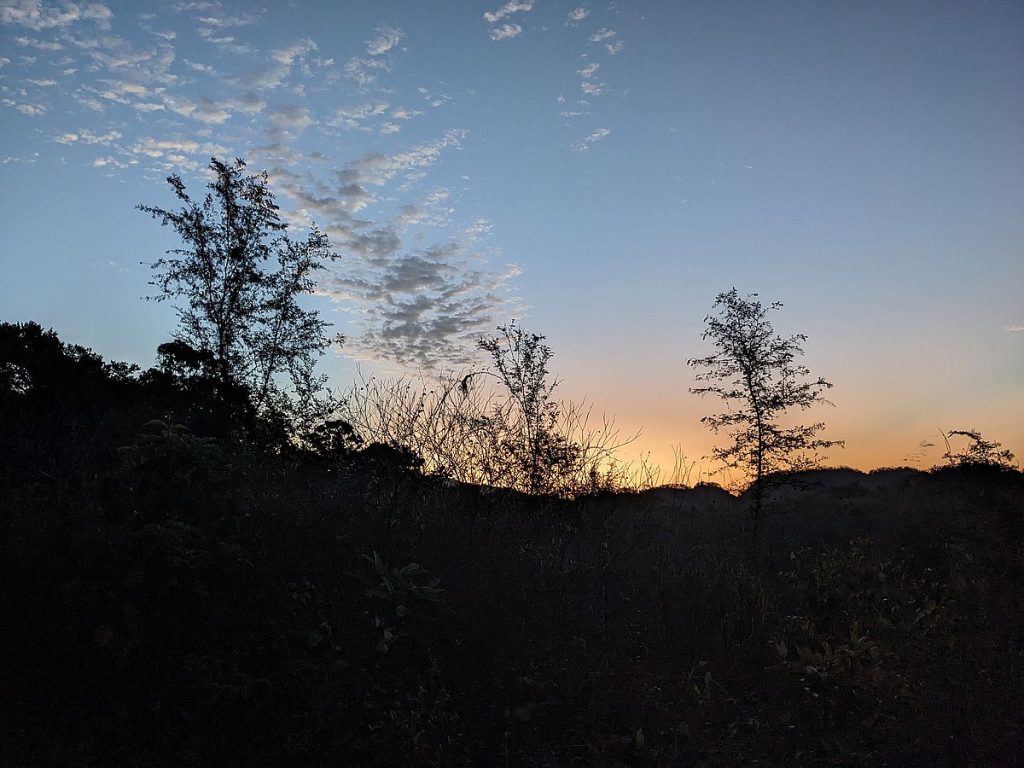
But as Trump wages a senseless war in Iran, as Montana passes from a dry, dry winter into a climate-crazy spring, as the global fertilizer trade contracts abruptly and the spinning plates of industrial agriculture teeter, something about tending this land makes sense to me.
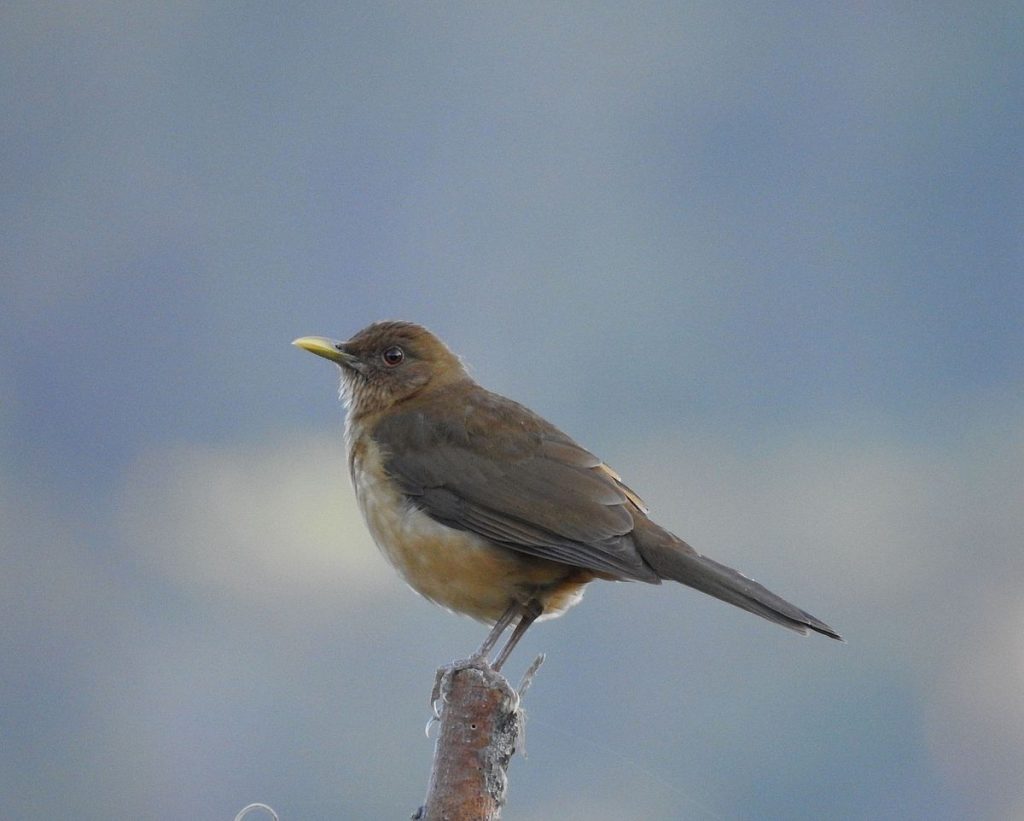
April 1st, 2026. The thicket tinamous (Crypturellus cinnamomeus) sing from the forest near the orange grove as the pale eastern sky awaits the sunrise. The tinamous are close, the closest I’ve ever heard them. The trees were just silhouettes against a rosy dawn as I walked past the terreno of the abuelo Teo 20 minutes ago, but now there’s enough light to read by. Below me, the dirt track drops down toward the arenilla, and I can see the clearing along the arroyo where I’ve planted milpa and bananas. A clay-colored thrush (Turdus grayi), one of the coastal cousins of the American robin of the sierra, sings from the top of a palo mulato (Bursera simaruba). New leaves and flower buds are emerging around it. And from the orange grove I hear something else, a bird that sounds like a squeaky toy—a sulphur-bellied flycatcher (Myiodynastes luteiventris)! From its South American winter range, this flycatcher has arrived to spend the summer here in Oaxaca.
Those that migrate and those that stay
It’s my first time hearing this bird. In past years, I’ve always left for Montana before it arrives. The song of the clay-colored thrush, the arrival of the sulphur-bellied flycatcher, the full-on chorus of the thicket tinamous: spring is arriving here, too, in the heat of the dry season in the Oaxacan tropical forest. Warblers and vireos are on their way north. Say hi to Montana for me when you get there, my friends. And here, this year, I’ll stay, with the thicket tinamous, the milpa, and the sulphur-bellied flycatcher.
Related stories
Mystery of the twilight: birds at dusk and sustainable agriculture
Birds in the wheat: industrial agriculture and declining birds
Journey to the pileated woodpeckers: earth connection in a critical time