

This podcast is the second in a series. It will make more sense if you read/listen to the first one, A familiar voice a long way from home, first. Happy listening!
April 2025, western Montana, USA. Sounds of spring in the forest…

A male Williamson’s sapsucker (Sphyrapicus thyroideus) taps on a shrubby juniper trunk as the evening light fades. He flies to a wood fencepost along the gravel road that climbs west into the forest, drums hesitantly.
It’s breeding season for owls. Later that same night, I’m cooking dinner over my tiny camp stove when a northern saw-whet owl (Aegolius acadicus) begins singing. I drop dinner and grab my microphone.
It’s a cool night, low 40s Fahrenheit. There’s a waxing three quarters moon to the south. I listen in silence and the tiny owl keeps singing for minutes, invisible among the dark Douglas-firs (Pseudotsuga menziesii).
Stinging nettles and jerusalem-artichokes

Recently returned from Oaxaca, I am bringing all the inspiration the abuelo Teo has given me for local food and mixing it with my field biology work. I gather stinging nettle (Urtica dioica) greens as a red-naped sapsucker (Sphyrapicus nuchalis) drums on a cottonwood branch.

In my mom’s yard, there are lots of weeds and other plants to eat: dandelion (Taraxacum officinale), garlic, walking onion, masses of tender, mild bellflower (Campanula spp., including C. rapunculoides) greens. Young shoot tips of hops (Humulus lupulus), the first time I’ve tried them. We dig jerusalem-artichokes (Helianthus tuberosus) with friends and I pickle them with walking onions, ginger, jalapeños, and black pepper. I buy grass-fed beef from Oxbow Cattle Company.
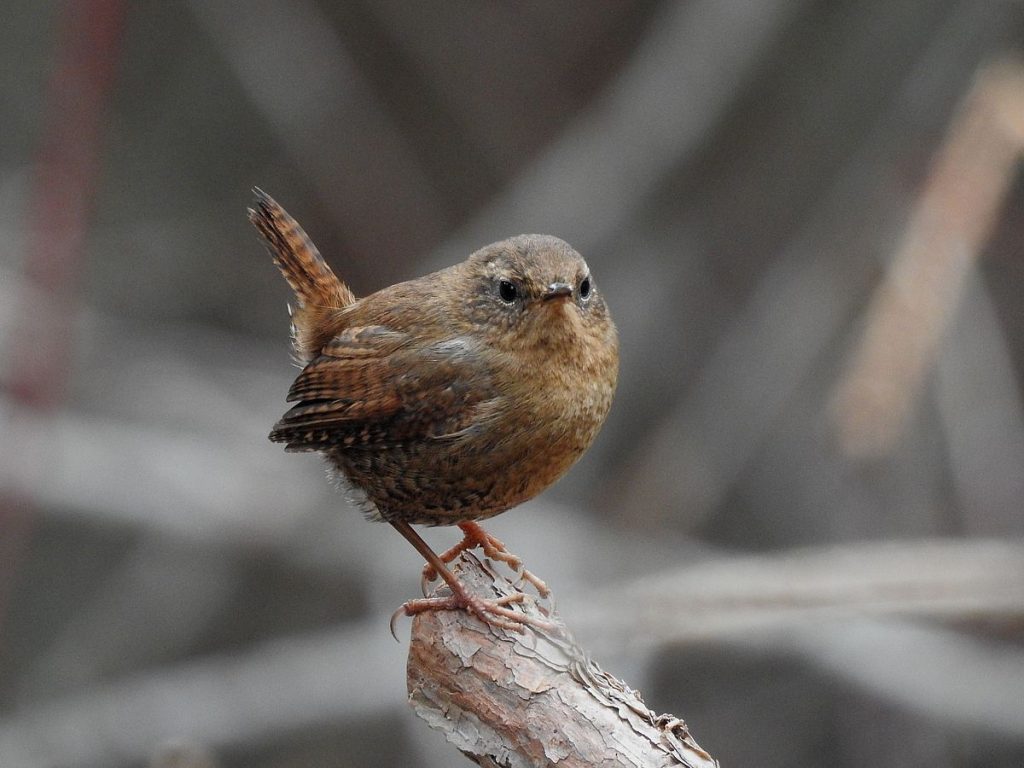
The Pacific wrens (Troglodytes pacificus) are singing in the forest and I find a pair of chesnut-backed chickadees (Poecile rufescens) excavating a nest cavity in a dead fir. I eat tostadas that the abuela sent me and I think of Oaxaca.

The flammulated owl
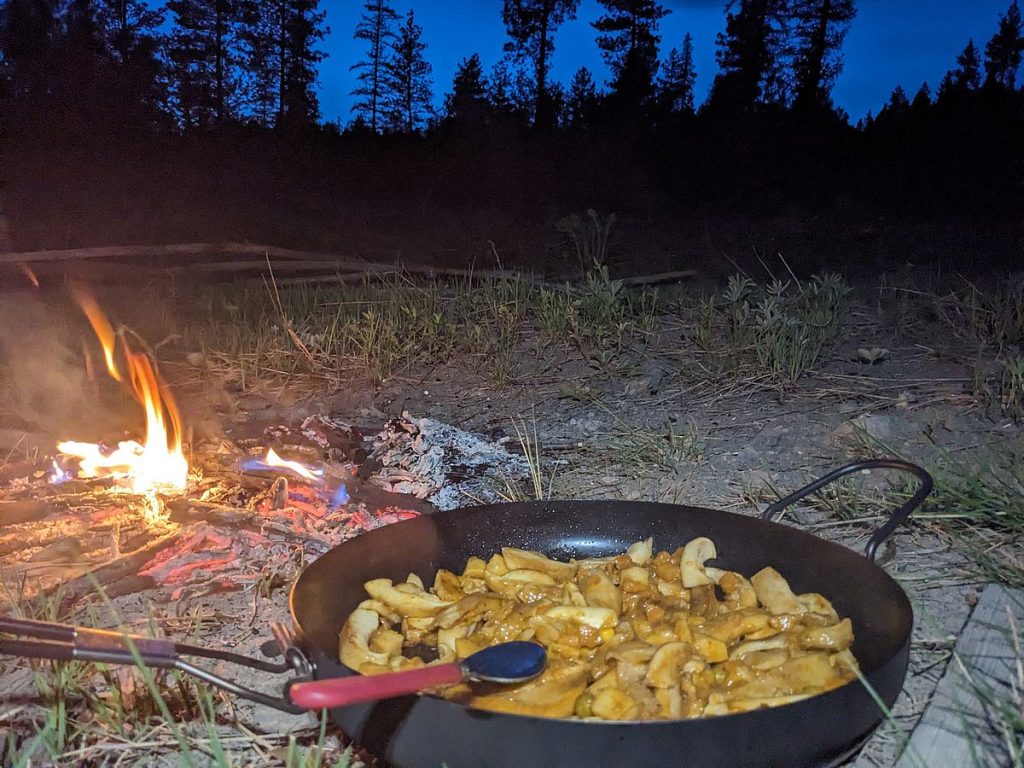
On our video calls, Carito shows me the garden in our house. The tomatoes I planted over the winter are bearing fruit and the passionfruit is growing. On an early May field biology trip to far northwestern Montana, I build a campfire along a two-track through a selectively logged ponderosa pine (Pinus ponderosa) stand and cook up the oyster mushrooms (Pleurotus ostreatus) that I found in the morning. A flammulated owl (Psiloscops flammeolus), recently arrived from the poorly-understood winter range in Mexico and Central America, sings briefly in the distance.

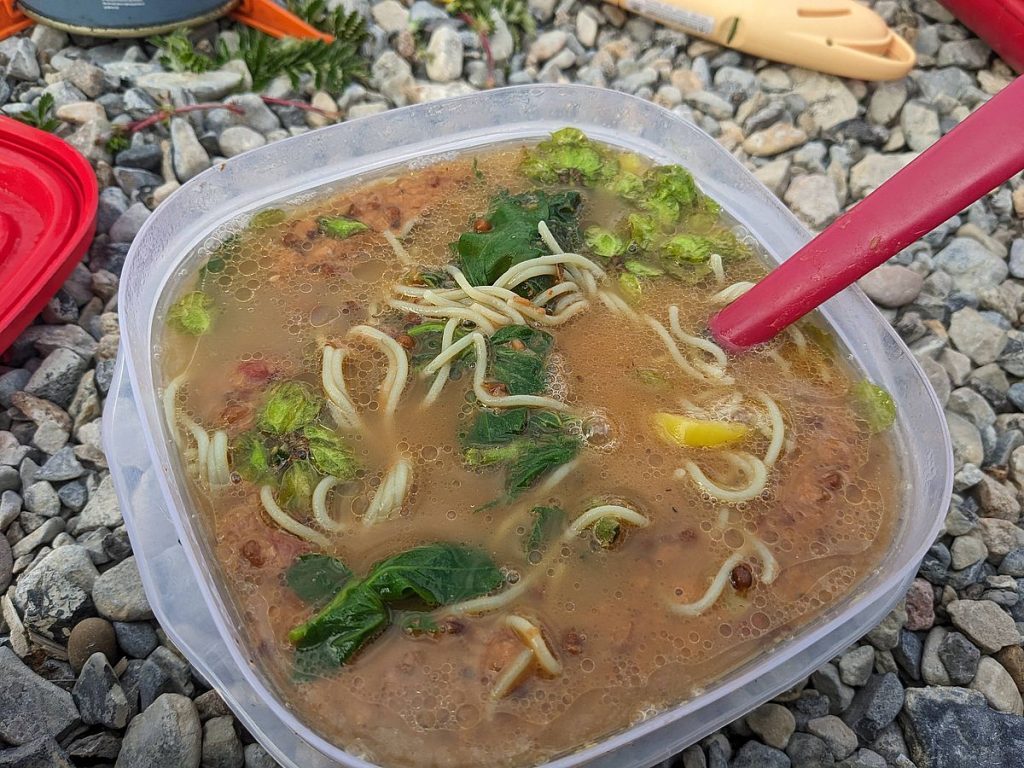
My dinners in the field are typically rice ramen noodles that I cook over my tiny gas stove. In this season, I often add a few handfuls of stinging nettle greens.
A marsh, an owl, and more stinging nettles

In the middle of May, I make a long road trip to the nearest Mexican consulate in Boise, Idaho to request a Mexican visa. On the way back, I listen to great horned owls (Bubo virginianus) and sandhill cranes (Antigone canadensis) at dusk from the edge of a marsh near Carey, Idaho. As the sky gets darker and the Canada geese (Branta canadensis) settle in for the night, I’m absolutely delighted to glimpse a pale white owl flying silently over the marsh. The owl plunges into the bulrushes, clearly hunting. I wait, attentive. Half a minute later it emerges from the shadows and flies north, right past me. I get a good look at its heart-shaped facial disk in the deepening darkness: an American barn owl (Tyto furcata).

I camp in a dry, rocky canyon and wake up to the gentle clucking of the chukars (Alectoris chukar), a chicken-like bird of rough, arid slopes. A Bullock’s oriole (Icterus bullockii) sings at full volume from the willows. In general, though, the canyon is eerily quiet for mid-May, without the bustle of activity from songbirds passing through in their spring migration that I was expecting to find. I gather stinging nettle from a massive, healthy patch where a seep emerges from the rocks.
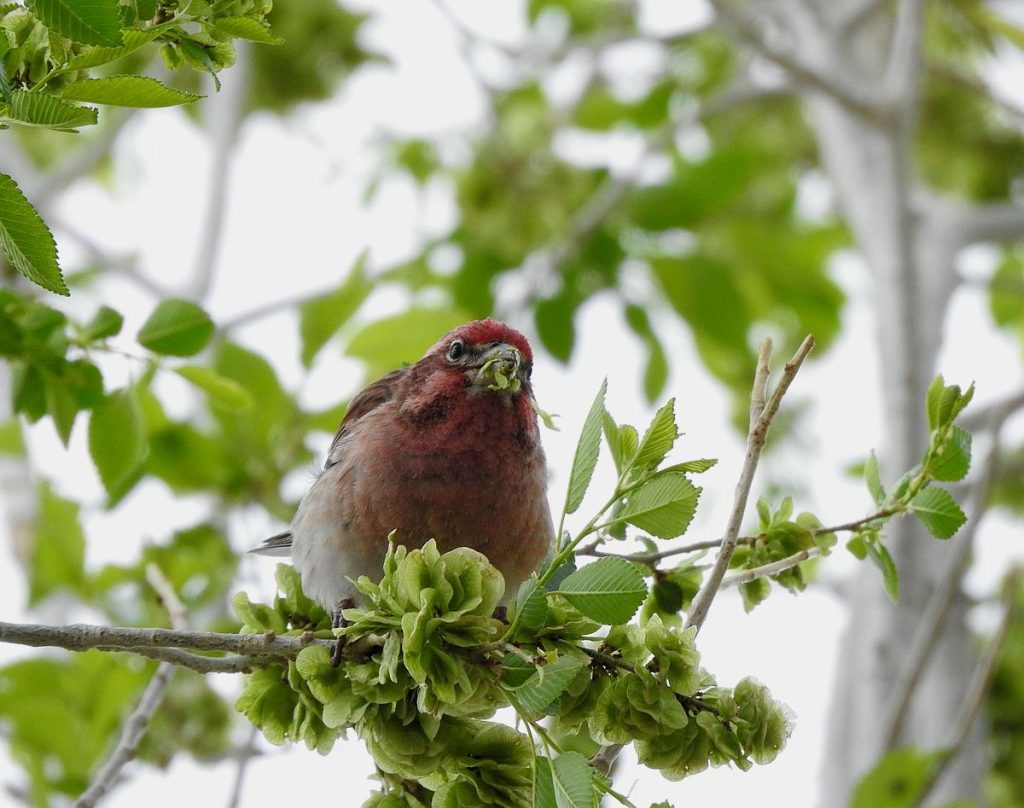
Later that day, I stop at an irrigation pond where a big flock of Cassin’s finches (Haemorhous cassinii), 70 of them, are feeding on the tender, leaf-like green fruits of the Siberian elms (Ulmus pumila). I join the Cassin’s finches and gather a bag of elm fruits too. That evening, my ramen features not just stinging nettle, but Siberian elm as well.
Hoping, trying, and failing
Oaxaca, Mexico, April 2026. A Bell’s vireo (Vireo bellii) sings from the dense second growth of an abandoned field. Soon it will be migrating north to a breeding range that extends from northern Mexico to South Dakota and Indiana.
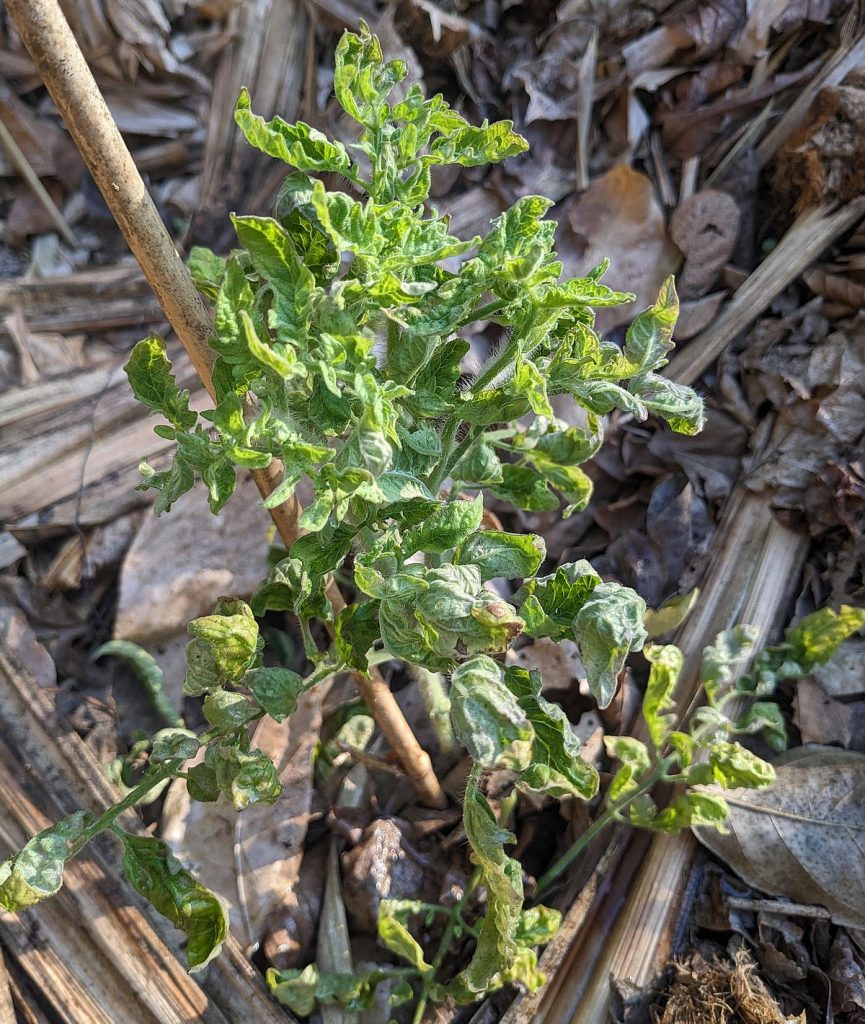
The themes here are much the same, but so many things are different. Growing new plants is a lot of hard, sweaty work, a lot of hoping, trying, and failing. The sesame (Sesamum indicum) doesn’t sprout. The tomatoes curl their leaves with displeasure—or maybe it’s a virus. Half of the lemongrass (Cymbopogon citratus) that I transplant from a friend’s garden dies.
One day I find a burro roaming around the arenilla and chase it off. That launches a major fencing project, harvesting bamboo rails and lashing them to trees along the boundaries. The abuelo shows me that the bejuco tronador vine, whose wild tangles I’ve spent weeks trimming, is strong and flexible when freshly cut, good for lashing.
The leafcutter ants
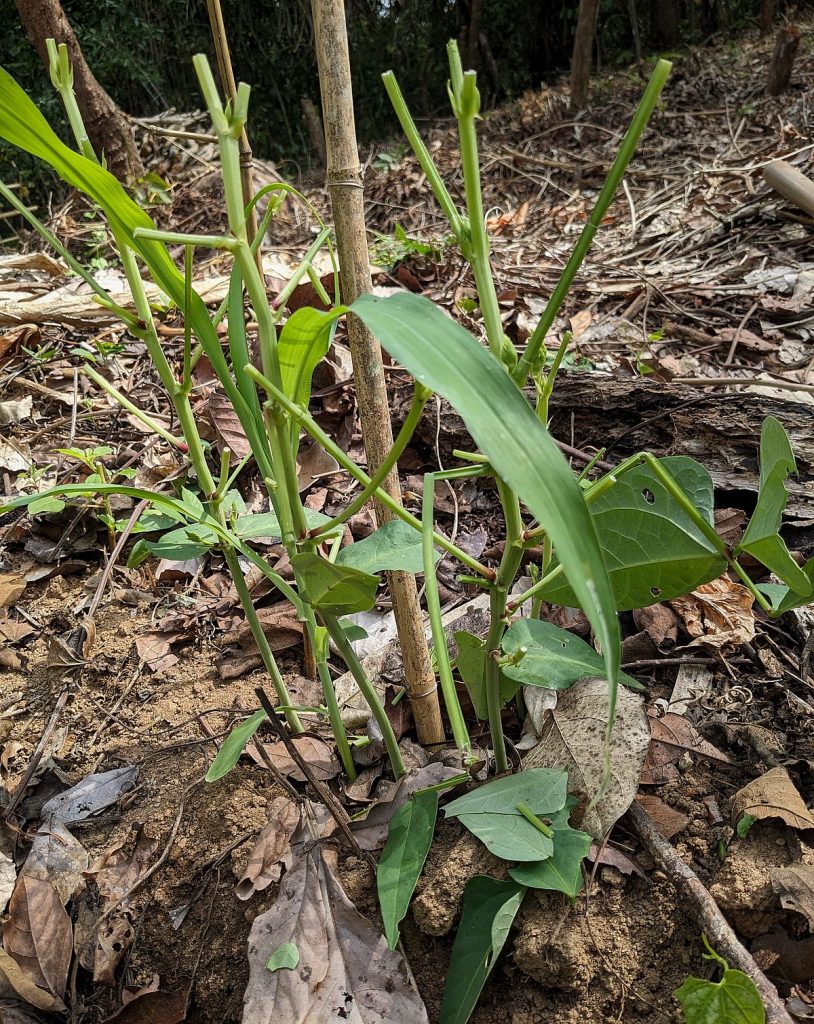
One morning, half of the beans are completely defoliated. The perimeter fencing isn’t finished yet; first I blame the burro, then I suspect it’s deer. I know that no bamboo fence will discourage those tenacious herbivores.

The next morning some of the radishes and Asian broccoli are nibbled to the ground. I cut bamboo fencerails in frustrated incompetence. The day after, I notice a few green leaves placed carefully on the ground under a defoliated bean plant, chunks cut out of them in tidy curves. Now I know what is eating the beans. It’s neither a deer nor a burro: it’s the dreaded arriera, the voracious (but ecologically fascinating) leafcutter ant. I return at night with a headlamp, observing the ants as a northern potoo (Nyctibius jamaicensis) sings hoarsely from the bamboo along the river. I follow their trails through viny tangles, read about their biology, try to learn how to tolerate them or manage them without poisoning the ecosystem.
Squash flowers and mangoes
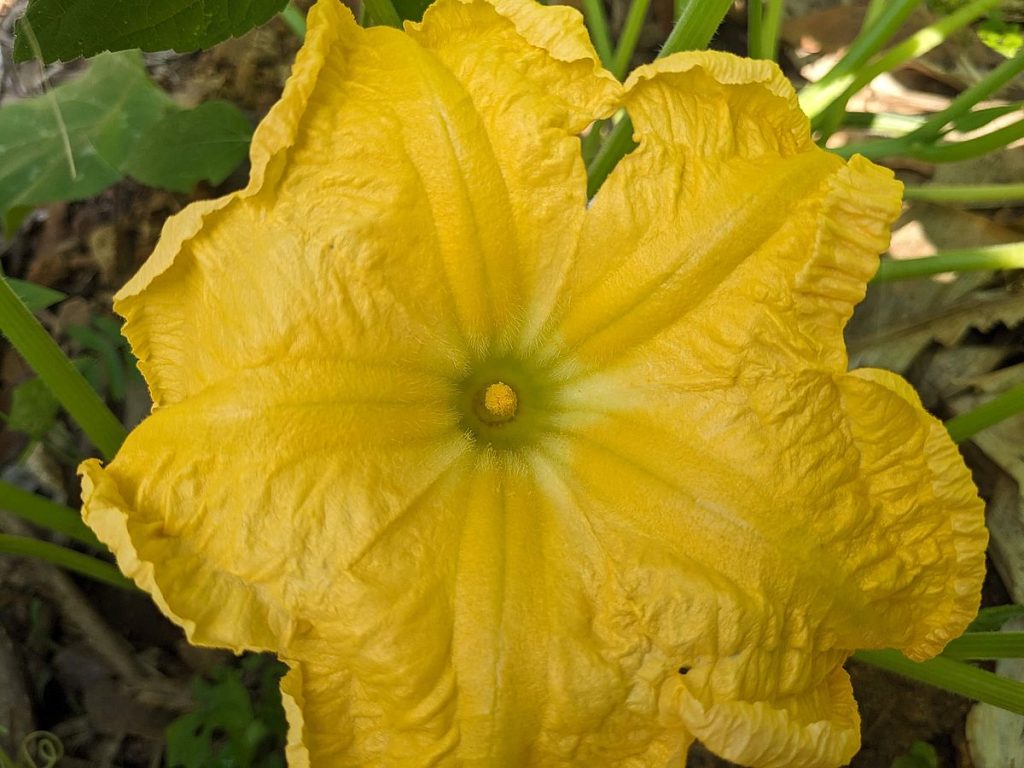
Still, in the midst of everything, most of this great diversity of plants is growing. The squash is blooming: I harvest male squash blossoms so that Carito can make squash flower quesadillas. I make eggs one morning with radish greens, Asian broccoli tops and yard long beans (Vigna unguiculata). The next day, the arriera has mowed the rest of the radishes down to the ground. The mirasol chilies are almost ripe, and the first corn I planted is waist high.
For the moment, though, most of the local food we’re eating is from plants that we didn’t tend. Coconuts from a few semi-abandoned trees along the coast. Mangos from the neighborhood and from friends. Oranges from the orchard the abuelo Teo planted, decades-old trees that he watered by hand for the first two years, carrying a bucket up the hill from the river.
Red-breasted chat by day, potoo by night

Meanwhile, every day brings more bad news from the US, from a democracy being ripped apart from the inside. On the computer I work with my biologist colleague Grant Hokit on a niche model for our Montana tick ecology project that has been my work for the past two years. In 2027, if all goes well, I hope to return to Montana and continue studying ticks. In the midst of everything, I think of Montana’s stinging nettles, bellflowers and oyster mushrooms, northern saw-whet owls and Pacific wrens.

And meanwhile, a northbound orchard oriole (Icterus spurius) sings from a coastal wetland while thousands of migrating Franklin’s gulls (Leucophaeus pipixcan) rest where the Río Copalita meets the Pacific Ocean. At the arenilla, a red-breasted chat (Granatellus venustus) sings by day, a northern potoo at night. I plant taro (Colocasia esculenta), yams (Dioscorea alata), chaya (Cnidoscolus aconitifolius), and tomatoes. And every day, the corn, squash, and bananas keep growing among the defoliated beans.
Related stories
A familiar voice a long way from home
Mystery of the twilight: birds at dusk and sustainable agriculture
The song of the tall dogbane: fibers at the riverbank
Among the redcedars: finding stillness in the rain-drenched forest
